The Controller and the Conductor: Why UK Arenas Are Betting Big on Game Scores
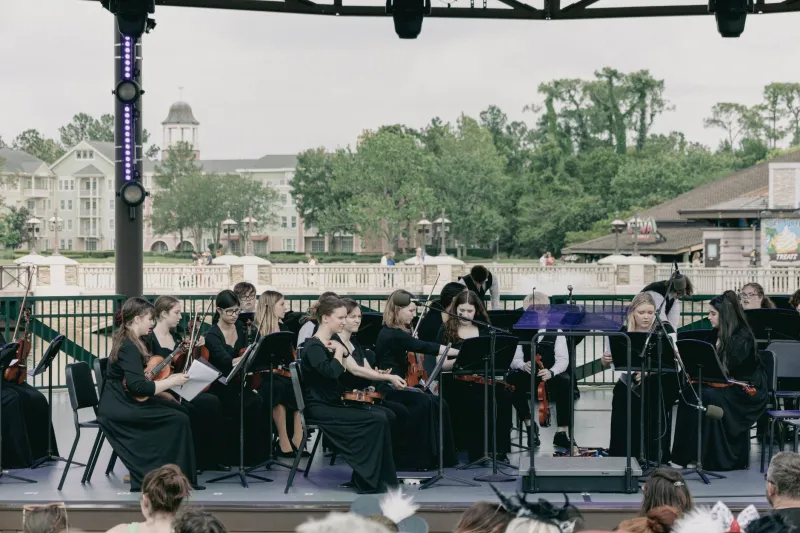
On a wet Saturday in Leeds, the First Direct Arena is doing what arenas do best: moving thousands of people through double doors, past bag checks, and into a warm, humming bowl of noise. But the merch stands are selling something different tonight. Alongside the tour T-shirts and hoodies, there are plush cuddly characters, replica swords (foam, thankfully), and a queue of people in cosplay waiting to have their photo taken next to a screen playing a loop of a 1998 PlayStation game. Up on stage, a 70-piece orchestra is tuning. The conductor walks out, raises a baton, and the arena erupts for a piece of music that was originally written for a cartridge.
This is the new normal. Video game concerts have moved from the margins to the mainstream of the UK's live music calendar. What used to be a novelty – a one-off charity gala in a church hall, or a sweaty club night with a string quartet – is now a touring product that can fill the O2, the Utilita Arena Birmingham, and the First Direct Arena Leeds. The question is no longer whether game music belongs in these spaces. It's whether the boom can last.
From bedroom speakers to box office
The pioneers were not arenas. They were concert halls, student unions, and the occasional festival tent. Distant Worlds, Final Symphony, and Video Games Live spent years proving that audiences would pay to hear orchestral arrangements of music they first heard through tinny TV speakers. The BBC Proms gave game music a respectable platform at the Royal Albert Hall, and the Barbican and Symphony Hall Birmingham followed with their own curated nights. But the last few years have seen a step change: promoters now book arena tours, with production values that rival pop concerts.
The reasons are not mysterious. A generation that grew up with the PlayStation 2 and Xbox 360 now has disposable income and nostalgia. Streaming has made game soundtracks more accessible than ever – the Spotify playlist is the new mixtape. And the games themselves have become cultural events, with budgets and marketing campaigns that dwarf most films. When a new Zelda or Final Fantasy lands, it is not just a game; it's a shared moment. A concert extends that moment into a night out.
Who's actually in the seats?
Look around the arena and you see a broader crowd than the stereotype suggests. Yes, there are thirty- and forty-somethings in retro gaming tees. But there are also families with children, couples on dates, students in groups, and a surprising number of people who have never held a controller. The music is the gateway. A parent who loved the orchestral score to a film might come for the spectacle and leave humming a tune from a game they've never played. That crossover is the commercial engine of the boom.
The audience is also well behaved. Arena gigs can be raucous, but game music crowds tend to be attentive, even reverent. They cheer at the end of movements, not during them. They know the cues. They applaud the composer if they're in the house. It is closer to a classical concert than a rock show, but with better lighting and more screens.
The venue learns new tricks
Arenas are built for pop and sport, not for a 90-piece orchestra. The acoustics can be unkind: too much reverb, too little clarity, a low-end that muddles the cellos. Promoters have had to adapt. Many shows now carry their own acoustic treatment, and the best productions use the arena's video walls to sync game footage, lighting cues, and even live camera feeds of the conductor. The result is a hybrid form: part concert, part cinema, part gaming convention.
The technical demands are real. Game music often shifts from 8-bit bleeps to full orchestral crescendos in the space of a bar. The sound engineer has to ride the faders like a DJ. And the orchestra has to be comfortable with click tracks and synchronised video – not every conductor is. The UK's freelance musicians are adaptable, but the rehearsal time is tight. A touring production might have one afternoon in the venue before doors open.
The nostalgia trap
The current model leans heavily on legacy. Anniversary tours for Zelda, Final Fantasy, and Mario are reliable sellers. But there is a risk in relying too much on the past. If every show is a greatest-hits package, the format becomes a museum piece. Younger players have their own favourites – the soundtracks to indie darlings, live-service games, and mobile hits. Those scores are often more experimental, less orchestral, and harder to sell to a promoter who wants a guaranteed crowd.
The good news is that composers are writing with live performance in mind. Bafta-winning scores have shown that game music can stand on its own. New concert programmes are starting to feature music from UK studios – think of the sweeping strings of a British indie or the electronic textures of a London-developed shooter. The next step is commissioning new works specifically for the arena, rather than rearranging existing ones.
What comes next
The boom is not guaranteed. Touring costs are rising, and the post-Brexit paperwork for international musicians has made European tours more complicated. UK orchestras are busy, and the freelance pool is stretched. Promoters will need to be careful not to oversaturate the market with identical shows.
But the signs are encouraging. Regional venues are getting in on the act, not just London. Smaller cities are hosting game music nights in concert halls and theatres, building audiences that might graduate to arenas. And the audience is not just nostalgic – it's curious. They want to hear something new.
So the encore is loaded, but the next movement needs fresh material. Britain's game music concert boom has proved it can fill an arena. Now it has to prove it can keep filling them with something other than the same old boss themes. If it can, the orchestra pit might become a permanent fixture in the UK's gaming culture – not a novelty, but a homecoming.