The Kettle, the Router and the Risk Assessment: Inside Britain's Village Hall LAN Nights

The hall lights are on
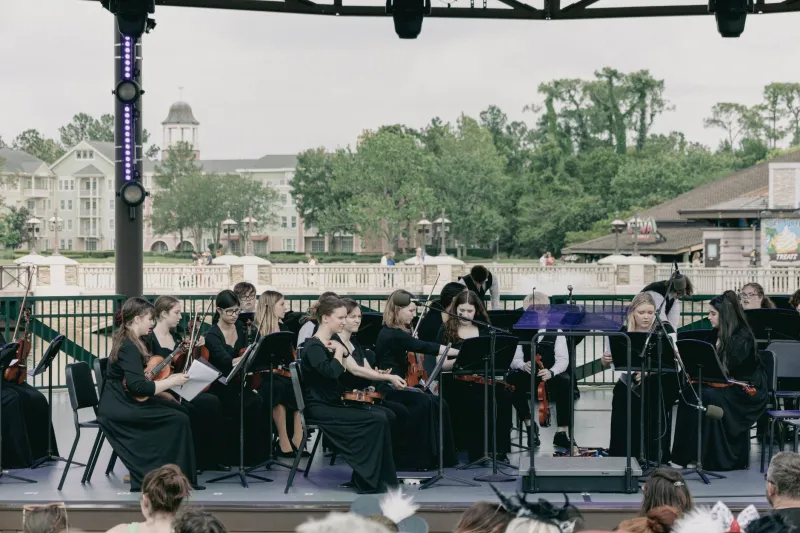
It is a Friday night in a village hall outside Crediton, and the first thing you notice is not the screens. It is the kettle. Then the smell of squash, the stack of labelled HDMI cables, and the sight of a 14-year-old patiently showing a 72-year-old how to coil a patch lead so it does not turn into a nest.
This is a LAN night, but not the kind you might remember from a bedroom in 2004. There are four TVs on trestle tables, a network switch borrowed from a secondary school, and a projector showing the bracket for a Mario Kart tournament that has already gone slightly wrong. There is also a plate of biscuits and a sign-up sheet for the rota.
Across rural Britain, village halls are quietly becoming the country's most interesting local multiplayer venues. Not because the technology is impressive—it is deliberately modest—but because the format solves a problem that broadband upgrades and Discord servers cannot: it gives people a reason to be in the same room.
Why the parish council said yes
The parish council is often the first boss fight. Halls are civic infrastructure, and many have small grants for digital inclusion, youth provision or tackling loneliness. A monthly game night can tick several boxes at once. It can also look, to a cautious clerk, like a safeguarding incident waiting to happen.
One organiser in the Eden Valley describes the paperwork as the real overhead: risk assessments, insurance checks, PAT testing for every extension lead, a safeguarding policy for under-18s, and a booking system that has to fit around yoga and the WI. The grant paid for a portable fibre cabinet to be dropped at the verge for a weekend pilot. The rest was admin.
In Powys, a community centre near Llanwrtyd Wells took a different route. It relies on a 5G router strapped to a window with an external antenna, plus a local switch for the consoles. The connection is good enough for updates if everyone is patient. The games themselves do not need the internet at all. That is part of the appeal.
The point is not that village halls have become esports arenas. They have not. The point is that they have become social infrastructure with a power strip.
Three rooms, three versions
The Devon night is the most family-shaped. Parents drop in, teenagers run the bracket, and someone's nan wins a round of Wii Bowling because she has been practising since the last one. The Cumbria night is slower and more structured: tea and tech first, games second, with a quiet room for anyone who finds the noise too much. The Powys night is bilingual, with signage in Welsh and English, and a rota that includes lifts for people who live up the valley.
None of these nights look like a traditional LAN party. There is no RGB, no energy drinks, and no one is being shouted at for screen-peeking. The atmosphere is closer to a church fete with controllers. That is not a criticism. It is the model.
The intergenerational patch cable
The most repeated scene is the cable-management lesson. A teenager shows an older player how to coil a lead, label it with tape, and put it back in the right box. The older player shows the teenager how to make tea for twenty people without losing the order. Both skills are essential. Neither is taught in school.
This is where the village hall LAN night differs from a commercial arcade bar or a city esports café. It is not selling an experience. It is renting a room and filling it with people who would otherwise be on their own sofas. The games are the excuse. The room is the product.
The burnout question
That model has a weakness, and everyone involved knows it. The same three or four volunteers set up the tables, test the leads, run the bracket, pack everything away, and then answer emails about insurance. The tech is rarely the problem. The rota is.
One organiser in Devon says the night only survived because a retired electrician took on the PAT testing and a local shop donated a lockable cupboard. Another in Cumbria has paused twice because the volunteer who knows how the switch works moved away. Grants can buy equipment. They cannot buy a reliable deputy.
This is the quiet risk in the revival. Village hall LAN nights are cheap, sociable and genuinely useful. They are also fragile. A change of parish clerk, a new insurance requirement, or one burned-out volunteer can end them.
Can it replace the sofa?
No. It is not a substitute for the convenience of online play, and it is not a fix for rural connectivity. Many halls still have patchy broadband, and game updates can turn a simple evening into a test of patience. The model works because it lowers its own technical bar: local multiplayer, older consoles, and games that do not need a download.
But as an alternative to the sofa, it is more serious than nostalgia. In 2026, the village hall LAN night is a small, unfashionable attempt to make local multiplayer local again. It is not scalable in the way a platform is scalable. It is scalable in the way a good neighbour is scalable: one room, one rota, one kettle at a time.
The boss fight, it turns out, is not the parish council. It is the volunteer rota. And the only cheat code anyone has found is showing up.